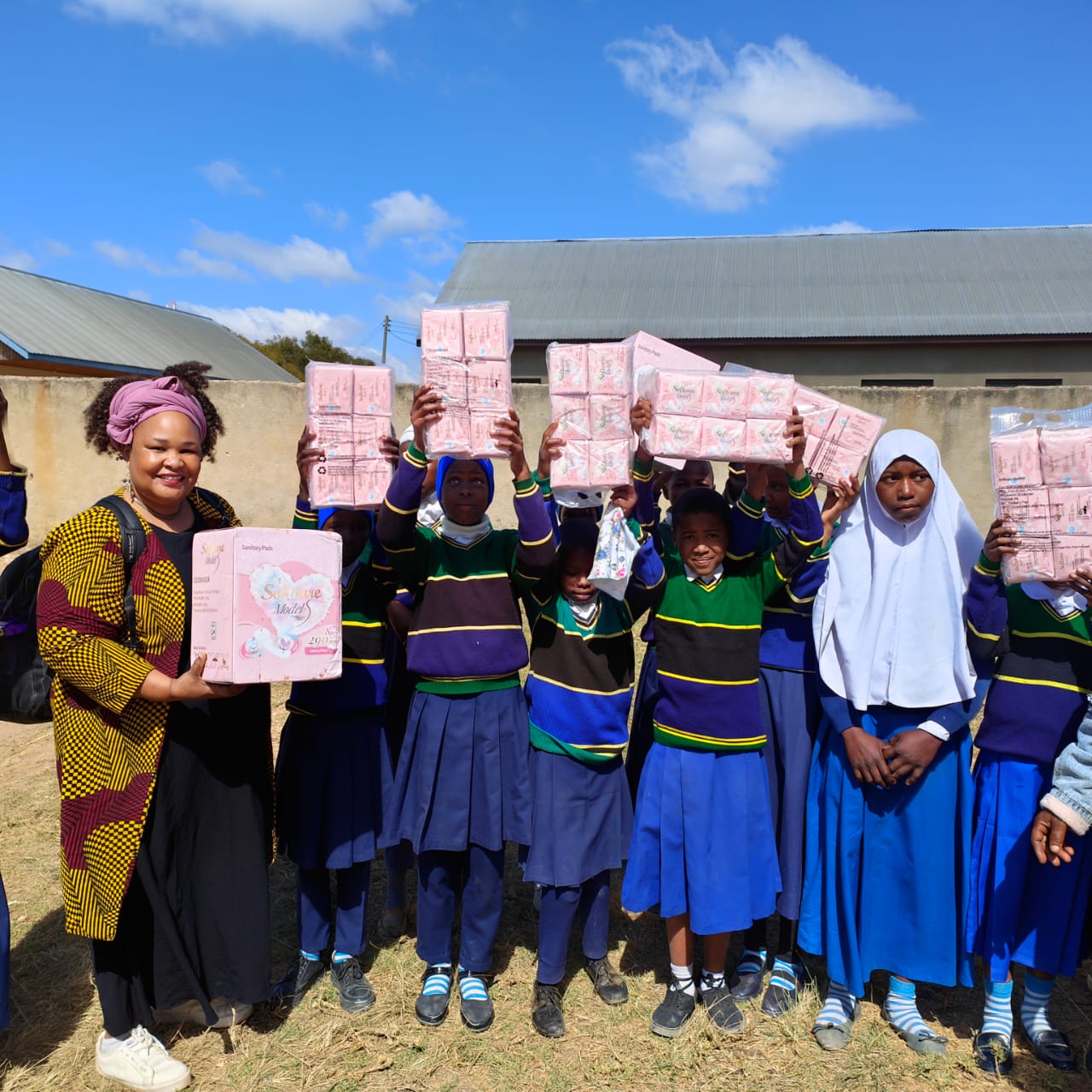
Promoting Menstrual Health and Dignity for Girls with Disabilities
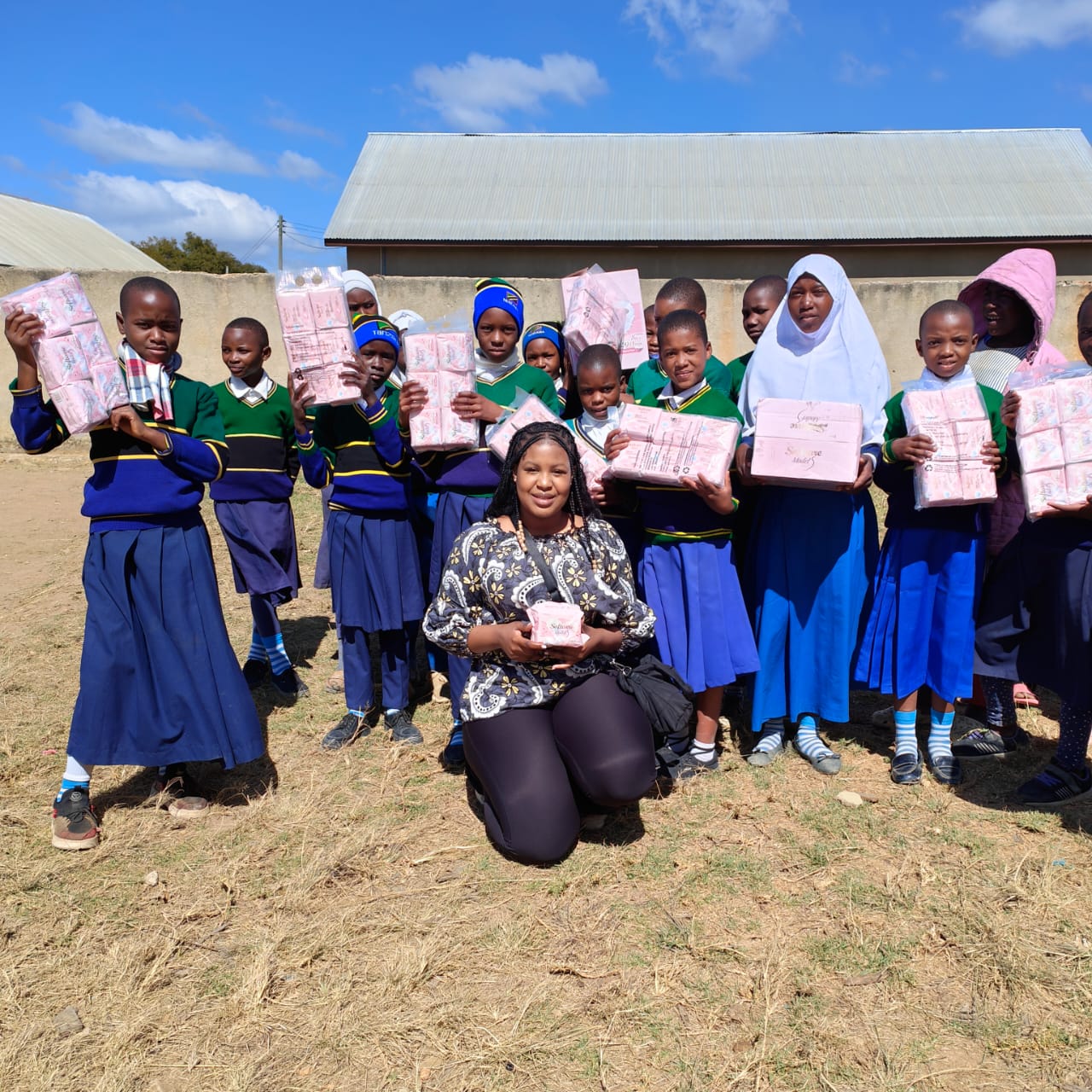
About Us
SHE FOUNDATION
The SHE Foundation which stands for Social Impact, Health Care and Education is a legally registered NGO in Tanzania that is dedicated to ensuring that no girl is left behind due to a lack of menstrual health support, with a particular focus on girls with disabilities. The Foundation was established by Nshoma Francis Mondi a college student who was inspired by her mother, Mwajuma Kitoi Msangi. Mwajuma, a seasoned child protection, gender, and human rights advocate was moved to action after a 2013 visit to a special needs school in Iringa. During this visit, she personally observed the challenges adolescent disabled girls faced in managing their menstrual hygiene.
What started as personal donations of sanitary supplies, wheelchairs, and school materials has evolved into a national mission. SHE Foundation now focuses on promoting menstrual health and hygiene, raising awareness about albinism and disability, and advocating for inclusion. We work closely with government, local, and international partners to create sustainable change, beginning in the regions of Iringa, Njombe, Mbeya, Morogoro, and Songwe, with the ultimate goal of building a future where every girl can thrive.
About Us Preview
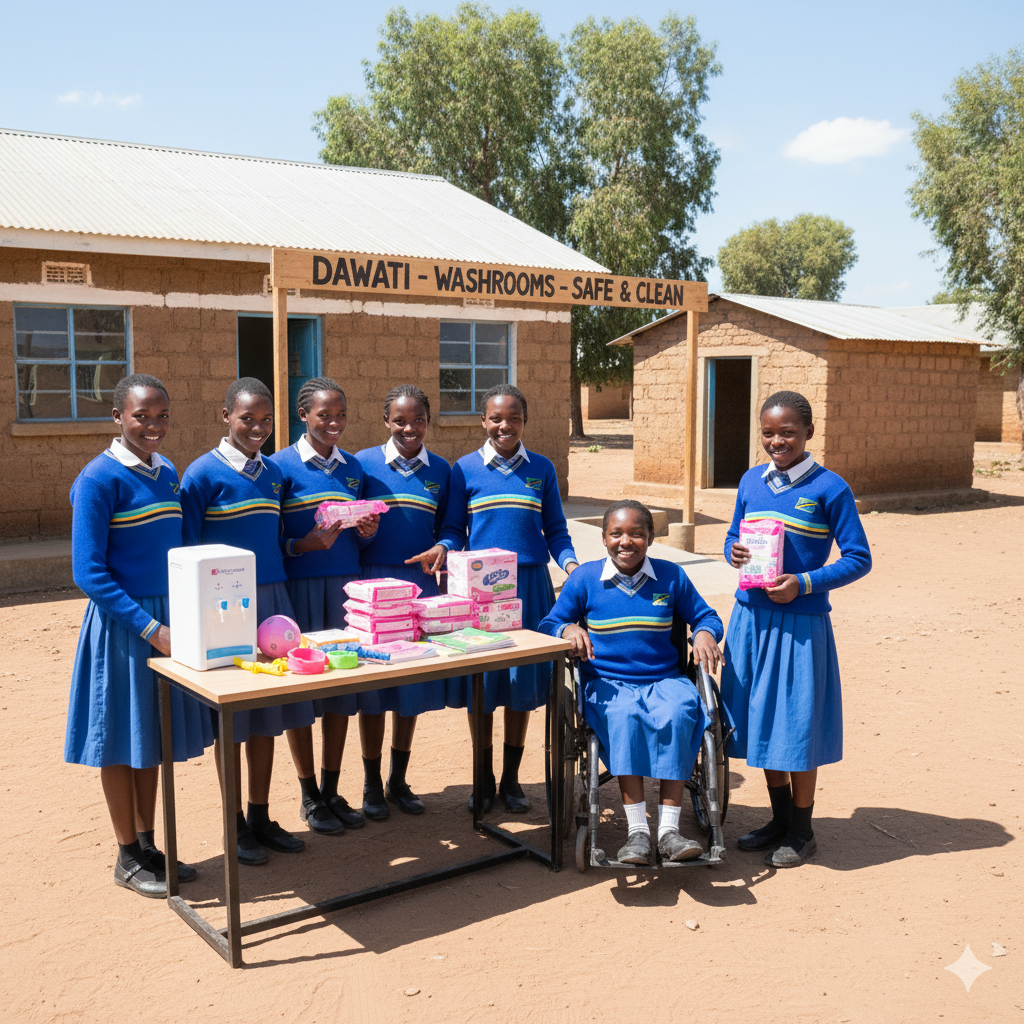
Providing Access
Safe, accessible products and facilities
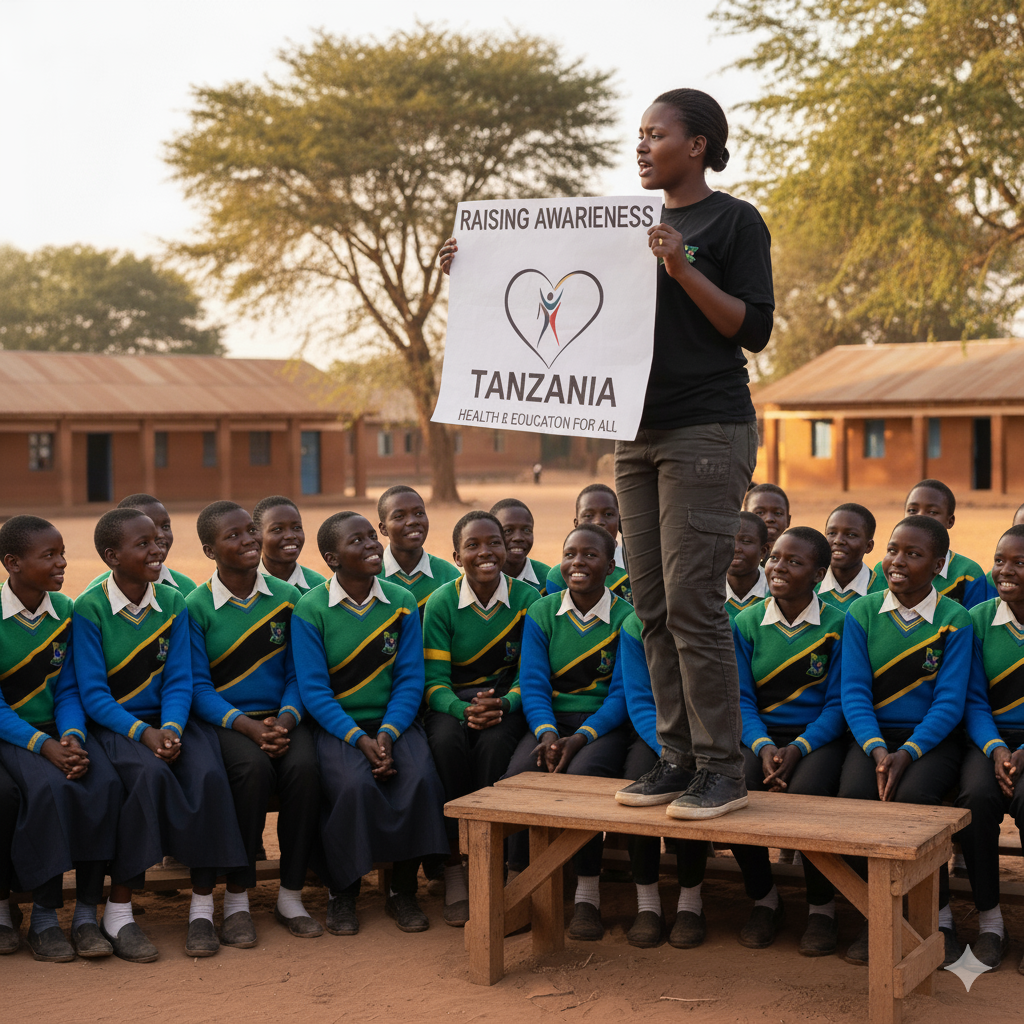
Raising Awareness
Education and community outreach
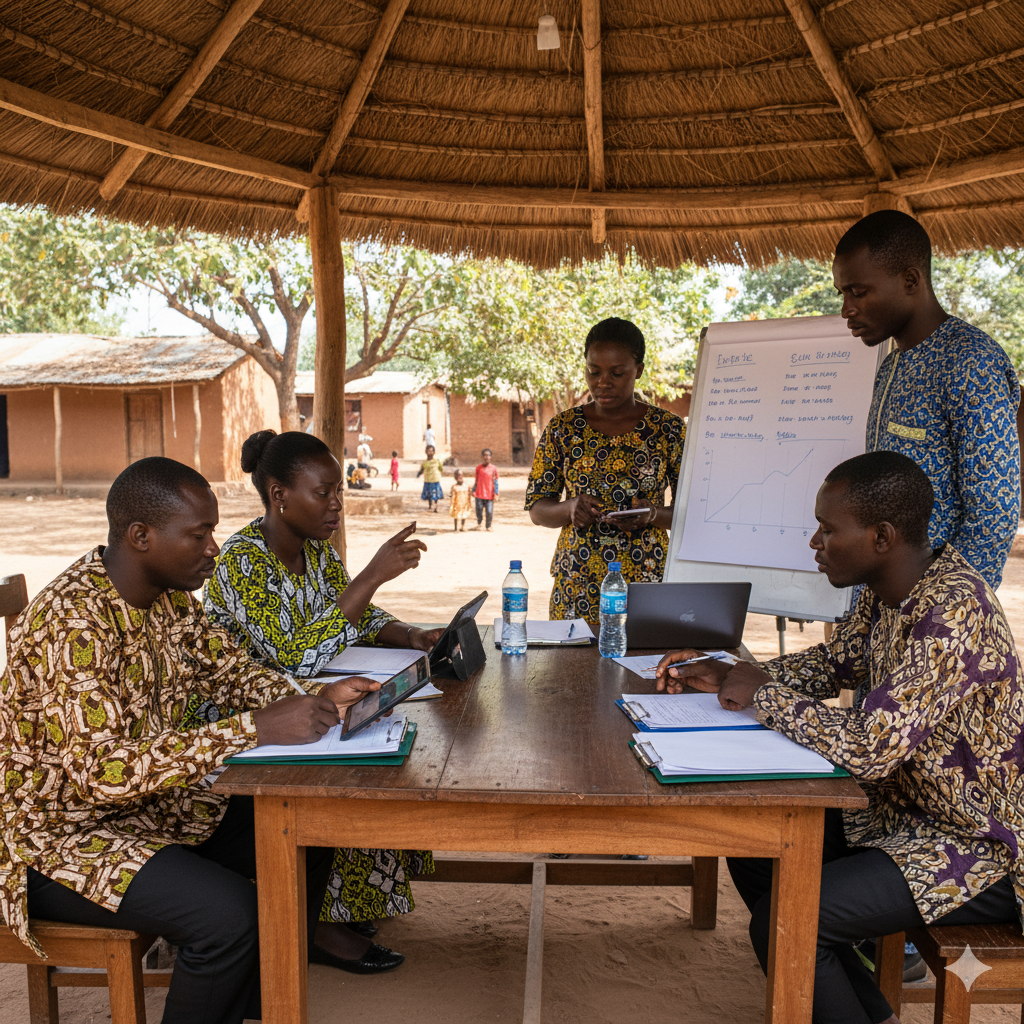
We conduct evaluations
Monitoring and improving our impact
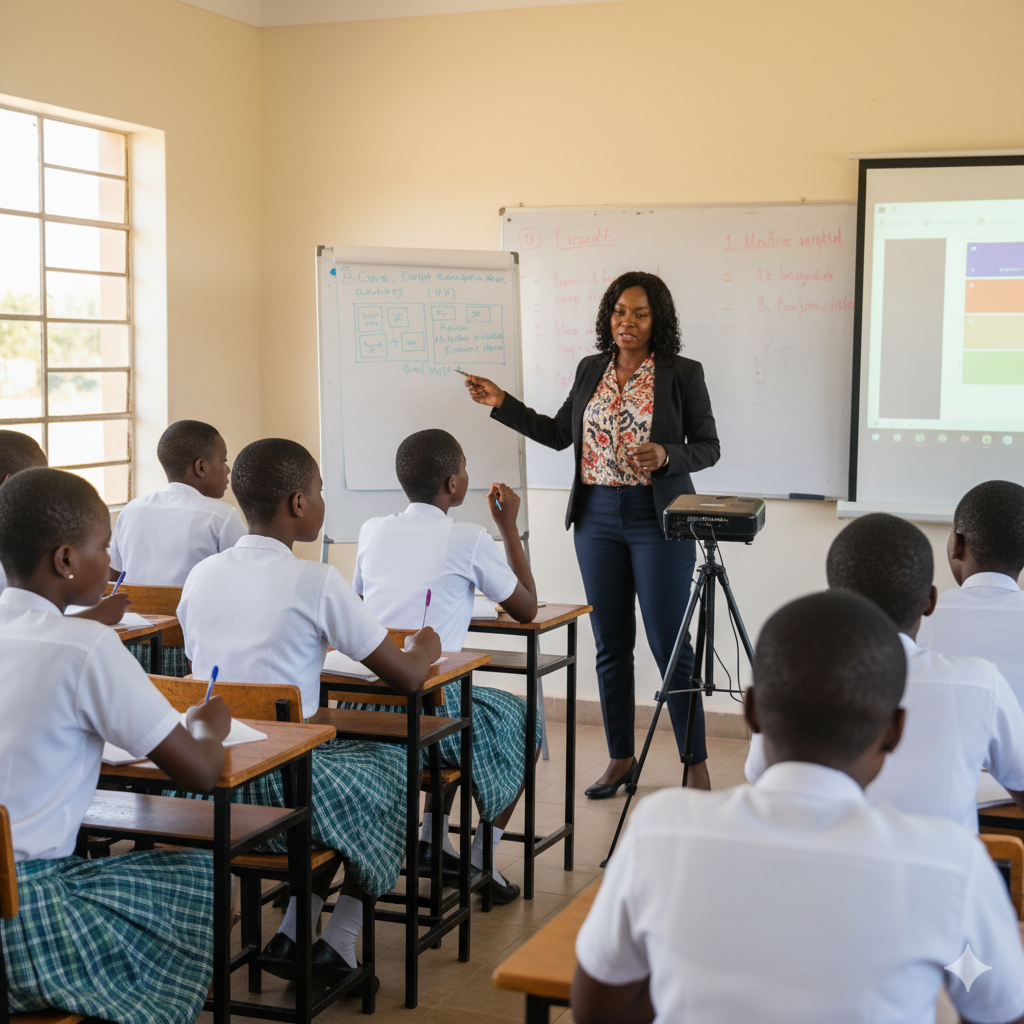
Training Handbooks
Comprehensive educational resources
Menstruation and Learning Barriers
According to national studies, lack of private facilities, fear of leakage and limited access to products create real obstacles for adolescent girls—especially those with disabilities. We are working to change this.
NIMR (2021) findings
These challenges make menstruation a major obstacle to learning and school performance after menarche.
Attendance impact
Absenteeism remains a key barrier to learning and wellbeing.
Context from special needs education
Tanzania Mainland has about 290 government primary schools for physically and intellectually challenged pupils across 31 regions—many in rural wards. At Makalala Special Needs Primary School, female students reportedly outnumber males 3:2, yet lack of affordable sanitary towels contributes to decreased attendance among girls from underserved households.
In rural primary schools, many girls who have reached puberty still lack appropriate sanitary products; some have never seen a sanitary pad, leading to unsafe alternatives or staying home for 3–4 days each cycle.
Impact Counters
Partner With Us
Join forces with us to create sustainable change and expand the impact across Tanzania. Together, we can build a more inclusive future for girls with disabilities.
Become a Partner